

The next generation of food
At Flora Food Group we know that people care deeply about the provenance of their food, and want to know that ingredients are grown in a way that respects the planet and those involved in the process. We have established a robust programme of sustainable and responsible sourcing to enable consumers to make ethical, considered choices. As a manufacturer, our suppliers have to meet our policies and standards, which set out how we work together with our partners to ensure these ingredients meet the expectations and demands of our consumers. This helps strengthen our food supply chains to ensure they are resilient and robust , so customers can be confident that we will continue to deliver.
We are aware of environmental and social impacts, particularly in the value chains of our ingredients, and work with our partners, including suppliers and NGOs to ensure we assess and address these issues in a prioritized way. Responsible sourcing is also connected to our wider sustainability framework commitments including enhance livelihoods and drive climate action.
Limiting our impact on natural ecosystems and their biodiversity is important in our operations and our supply chain. We have committed to eliminating deforestation across primary deforestation-linked commodities — palm, soy and pulp and paper — with a target date of no later than December 31, 2025.
We have a strong supplier code of conduct that we are requesting all our suppliers to comply with. We are also using Sedex to assess the environment in which our suppliers are operating to adjust our engagement with them on those topics.
Some of our supply chains can be long and complex, and that it can be a challenge to have full visibility and awareness of everyone who works along them, and the conditions within which they work. We are committed to ensuring no exploitation in our supply chains and to respecting human rights in our operations and supply chains. See our Human Rights Policy.
We are at the forefront of the next generation of food, shaping and creating how we will eat in the future, today. Beyond the diverse range of more traditional plant oils that have been on our tables for generations, we are passionate about finding new, delicious ways to make ingredients that are even better for you and for the planet. From the next generation of plant proteins to the future innovations that will replace the need for animal agriculture altogether:

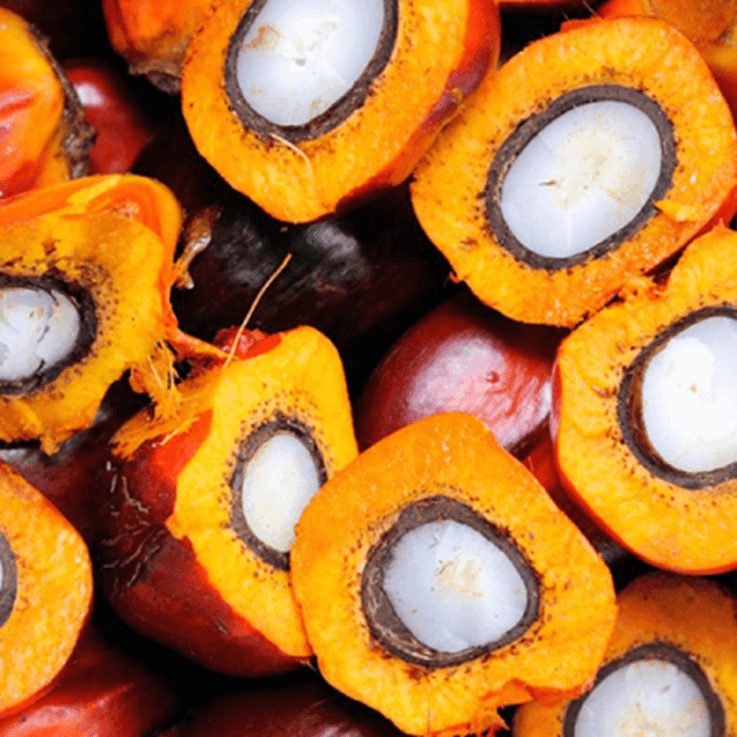
Palm oil is a high yielding crop with great taste, texture and flavour which is widely used in the food industry because of these positive properties. It does come with challenges but, when produced in a sustainable way, it has the potential to support smallholders and communities and to reduce the pressure on forests and natural ecosystems. Since its creation, Flora Food Group is using a combination of tools to improve transparency in its supply chain, address deforestation risks and mapped any other issues. Flora Food Group collaborates closely with its suppliers and independent organisations to improve our understanding of the main risks and be able to deploy adapted responses to it.
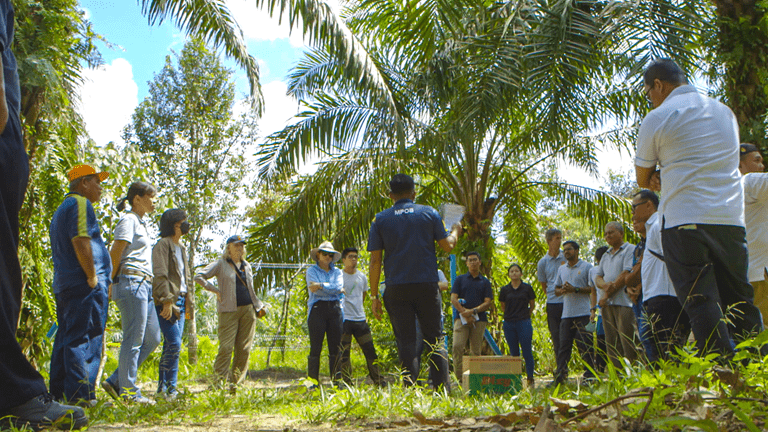
In 2023, Flora Food Group joined a landscape project located in South Malaysia and led by Earthworm.
The vision of the Southern CFS Landscape is to create a sustainable landscape model to demonstrate the business case of balancing sustainable production, forest conservation, resilient livelihoods, and good labour practices at scale. The landscape focal area is 1,631,842ha, with 35% of forest. The key targets are to engage with local communities, local authorities and Palm oil plantations to protect the natural ecosystem and biodiversity of the landscape and also to address human and labour rights at plantations and mills, who are overly reliant on foreign workers, identified as a vulnerable group.
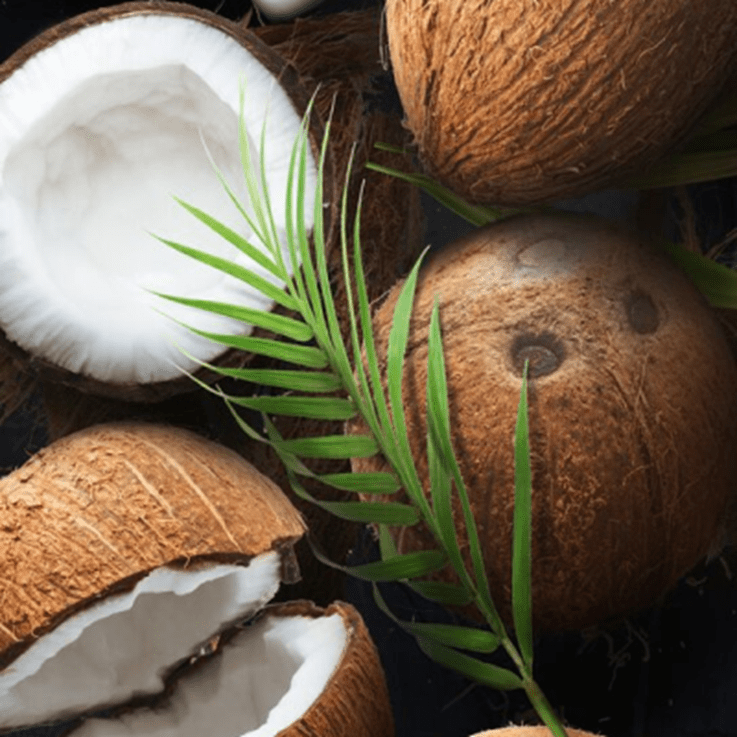
Coconut oil is a key ingredient for some of Flora Food Group's brands, bringing texture and form to brands like Flora Plant Butter. It is also used across much of our Violife range of dairy-free cheeses - everything from our Epic Mature Cheddar flavoured block, to our delicious crumbly Greek White.
100% traceability to country
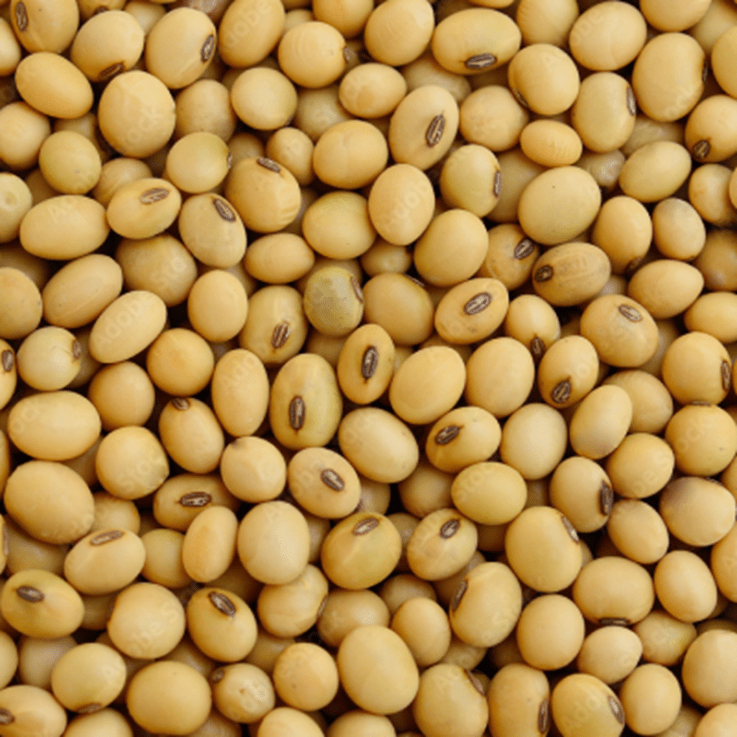
Soy is widely used as an oil crop, due in part to its health benefits. It is used in a variety of our brands, particularly in North America. In the United States it is very much a locally sourced crop incorporated into local brands - more than 90% is bought in the US for family brands such as Country Crock. It is grown in Iowa and Kansas, mostly within 200km from our factory in the heart of Kansas. Flora Food Group will not contribute to any new deforestation in its soy supply chain and will comply with the Amazon Soy Moratorium. We will not contribute to any new deforestation or conversion of natural ecosystems, and no land clearance by burning or clear-cutting in our soy supply chain. See our Responsible Soybean Sourcing Policy here.
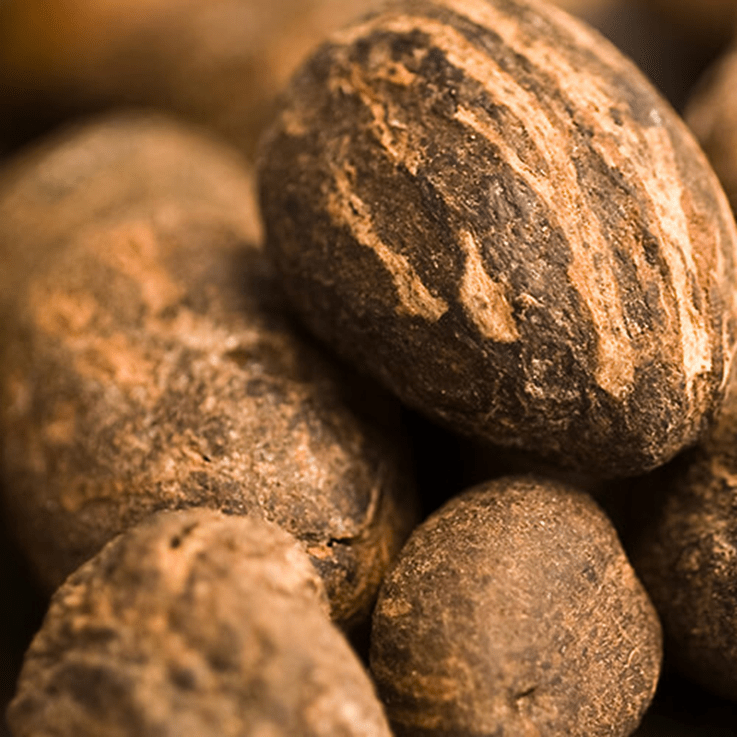
Shea oil is a rich fat extracted from the nut of the African shea tree, which grows across a stretch of land from Senegal in West Africa to Sudan in the East, and the foothills of the Ethiopian highlands. The oil is used especially in some of our products for the West African market, including the Blue Band range of products.
We recognise the potential safety, labour, environmental and economic risks associated with shea nut oil collection and processing and are committed to address them.
Our position on shea is guided by the priorities laid out by the Global Shea Alliance, a multi-stakeholder platform. We are also partnering with suppliers and local players to support women’s groups, improve safety and restore biodiversity in Northern Ghana.
7,800+ trees planted
1,000 women supported by warehouse built
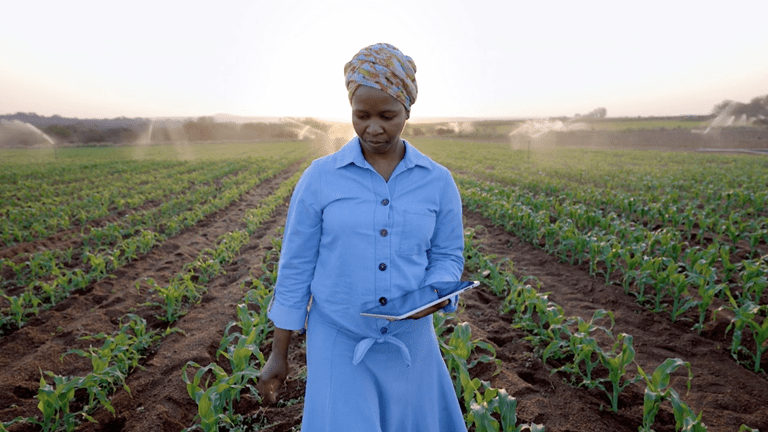
Through our Shea Sustainability Initiative in West Africa, we aim to support the restoration of 150 hectares of savannah parkland in North Eastern Ghana, working with local partners and a newly created cooperative of around 1,000 female shea nut collectors. The engagement with local communities and especially vulnerable groups (women) enables them to make a profitable income from the project.
We are contributing to the replanting of the natural ecosystem, consisting of a mix of Shea bush and 20+ indigenous species of tree. Our partnership with Ecorestore means we go beyond just planting trees, but ensures the new trees are properly maintained to avoid the short-term pitfall of ‘only trees planted’. So far, the project has planted over 7,800 trees and provided financial literacy and health and safety training to 1,000 women. To help the cooperative work at scale the project has offered pre-financing and seen a warehouse constructed to aggregate and store the Shea nuts. To help the women work safely, we have also provided them with PPE, including goggles, gloves, torches and first aid kits.
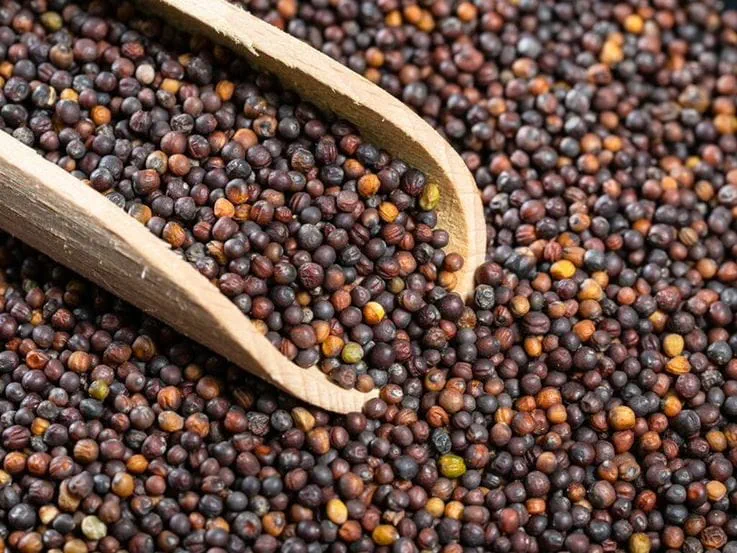
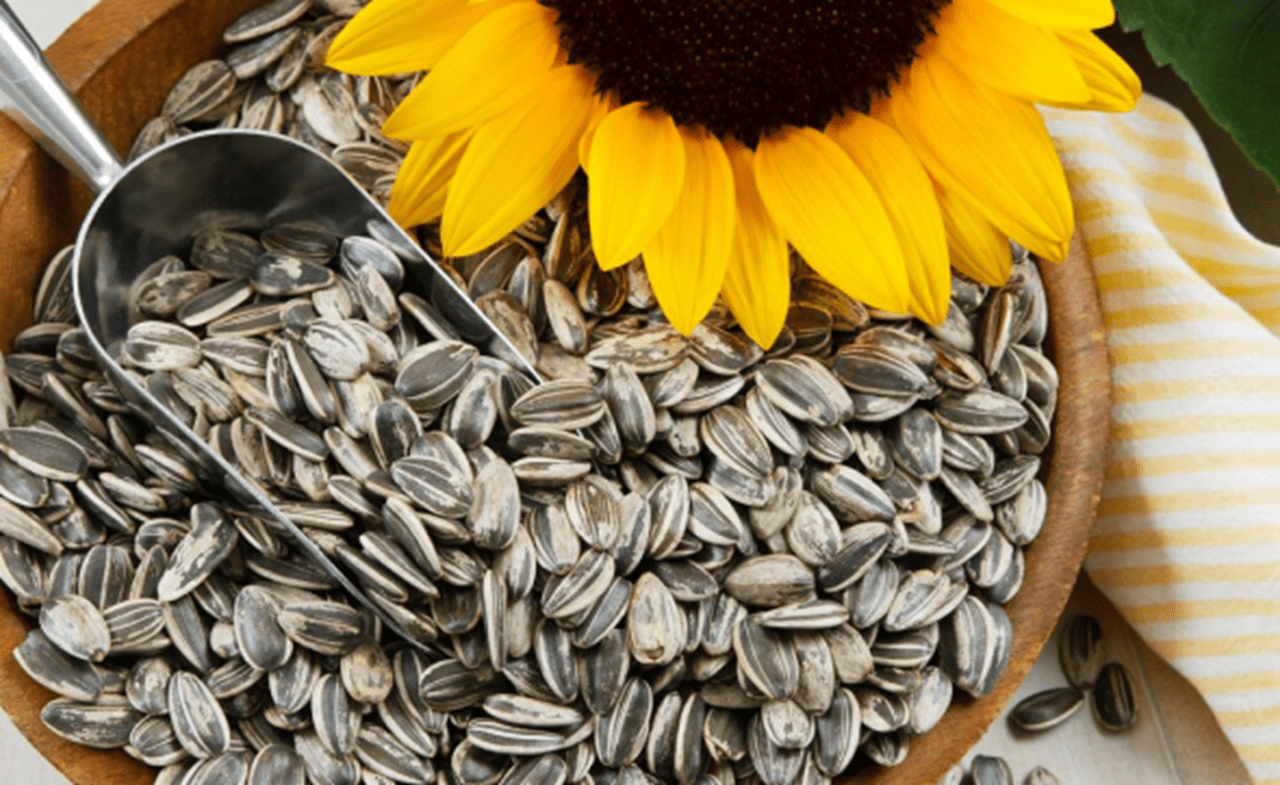
We seek to use a diverse number of oils and ingredients across our recipes. These oils and all our other ingredients are covered by our Supplier Code of Conduct. These include: sunflower, rapeseed, linseed and olive.
When possible we source these oils close to the factories where our products are made. We have also developed some partnerships to strengthen sustainable supply chains locally and to reduce the GHG emissions from these crops.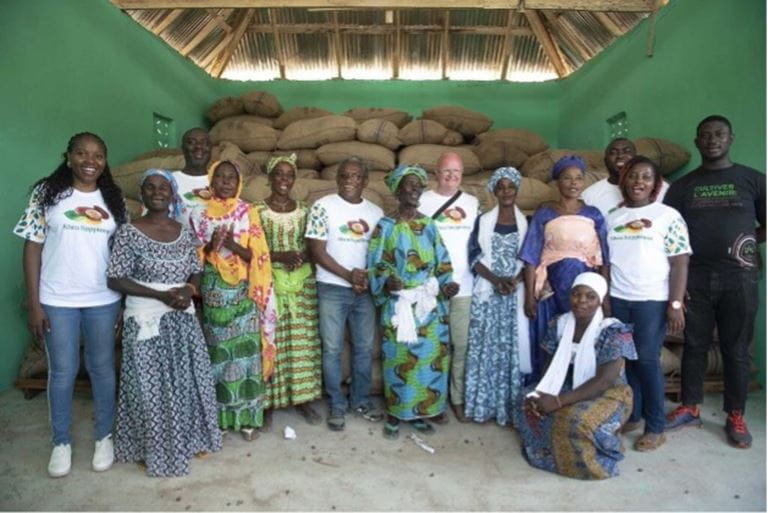
In Kenya, Flora Food Group is partnering with a company called Agventure Ltd to grow canola in the foothills of Mount Kenya, to use within Flora Food Group’s Blue Band range of products. Canola is low in saturated fat and high in mono unsaturated fats with significant levels of Omega-3 and 6, as well as phytosterols that can help reduce cholesterol levels. Some 7,500 farmers are involved in the project which also benefits soil health and quality.
